Multi-Agent Debate Before Execution: What to Check Before You Trust an AI Agent's Plan
Why a single AI agent's confident plan isn't reason enough to let it run against production, and what a structured multi-agent debate step needs to include before execution starts — inside LinkWorld's PLAN-DEBATE-EXECUTE-REVIEW-ASSESS engine.
Multi-Agent Debate Before Execution: What to Check Before You Trust an AI Agent's Plan
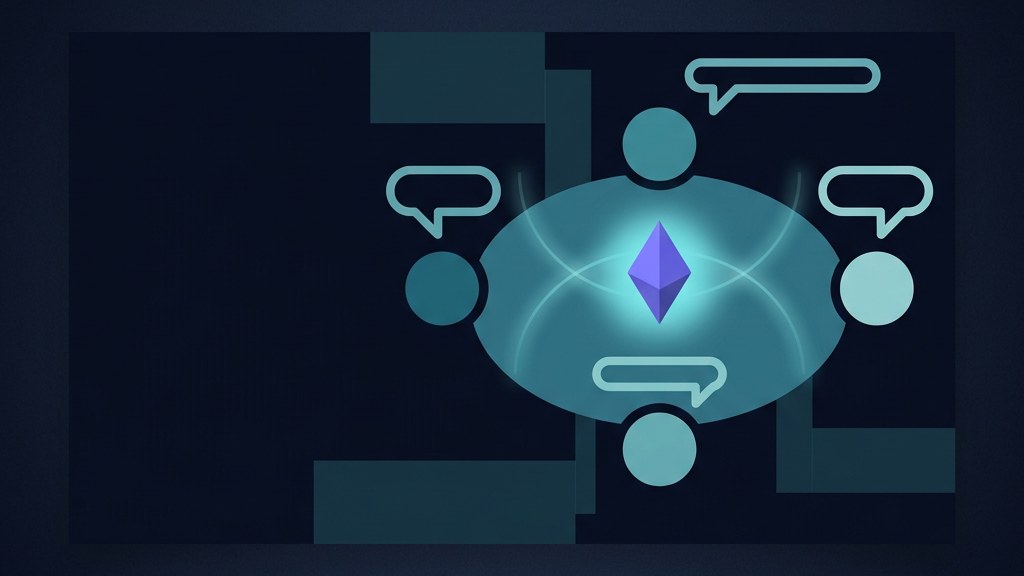
In one sentence: LinkWorld runs every automated task through five stages — Plan, Debate, Execute, Review, Assess — and DEBATE is a distinct, budget-gated stage in which multiple agent personas built on different underlying LLMs challenge a proposed plan on requirement match, current workspace state, and unflagged risk before it is allowed to execute against a live system, as part of the same EU-hosted governed AI automation engine.
A single AI agent can produce a plan that reads as confident and complete while resting on a wrong assumption — a misread requirement, a missed edge case, a step that looks safe in isolation but breaks something adjacent. Nothing about fluent output tells you whether the plan underneath it is sound. For a chat answer, that's a nuisance. For a plan about to execute against a live system, it's the point where a mistake either gets caught for free or becomes an incident. LinkWorld puts a structured debate step between planning and execution for exactly this reason, and it's worth checking what a vendor's version of that step actually does before you rely on it.
Debate Is a Distinct Stage, Not a Second Opinion Bolted On
LinkWorld's automation engine runs every task through five stages: PLAN, DEBATE, EXECUTE, REVIEW, and ASSESS. DEBATE sits between PLAN and EXECUTE by design — after an approach is proposed, before anything runs against a real system. The stage produces a structured synthesis from multiple agent personas challenging the plan on different grounds: does it match what was actually asked, does it account for the current state of the workspace, does it introduce a risk the plan itself didn't flag. That's a materially different check than a single model re-reading its own output — the value is in a distinct perspective interrogating the plan before commitment, not in the same reasoning process running twice.
Debate Doesn't Replace the Security Gate
A well-debated plan is still just a plan. Whether it's allowed to execute at all is a separate question, decided by LinkWorld's centralized execution security gate, which classifies the action's risk and checks it against that tenant's own policy. Depending on configured autonomy, the gate lets it proceed or holds it for a named person to approve. A vendor who conflates "the agents discussed it" with "a human or policy engine authorized it" is describing two different controls as if they were one — debate improves the plan's quality, the gate decides whether the plan gets to run at all, and a buyer evaluating either control should ask about both, not assume one implies the other.
Debate Doesn't Replace Checking What Actually Happened
Debate also doesn't verify the outcome, because it runs before EXECUTE — it can't see a result that doesn't exist yet. That's what REVIEW and ASSESS are for: after execution, the engine checks the real workspace state against what the plan said should be true, rather than trusting the executing agent's own completion summary. A platform that skips that post-execution check is exposed to a well-debated plan that still executes incorrectly — debate reduces how often a flawed plan reaches EXECUTE, verification catches what debate structurally cannot.
Why Debate Needs More Than One Model Underneath It
A debate between personas built on a single underlying model can still share that model's specific blind spots — the same training biases, the same failure modes, arguing with itself in different voices. LinkWorld's multi-provider LLM abstraction normalizes tool calling and conversation handling across engines from different vendors, so debate isn't structurally limited to one provider's reasoning patterns. That's also part of what "no vendor lock-in" concretely buys a customer here: the debate stage's usefulness doesn't collapse if one model provider has a systematic weakness, because the plan isn't only ever checked by that provider's own reasoning.
What This Rules Out
It rules out treating a fluent, confident plan as evidence the plan is correct. It rules out a "review" step that's really the same model reconsidering its own output rather than a distinct challenge to it. And it rules out assuming that a debated plan is automatically an authorized or verified one — those are the security gate's and REVIEW's jobs, not DEBATE's.
Who This Is For
This is written for engineering and operations leaders evaluating whether an autonomous AI agent platform is actually safe to hand real execution to — coding changes, operational actions, spend decisions — versus one that produces confident plans with no structural check on whether those plans are sound before they run.
Frequently Asked Questions
How is the DEBATE stage different from an AI agent double-checking its own answer?
A model re-reading its own output is still reasoning from the same starting assumptions that produced the plan. LinkWorld's DEBATE stage runs multiple agent personas challenging the plan from distinct angles — requirement match, current workspace state, unflagged risk — and synthesizes that into a structured result before EXECUTE runs. The distinction is a genuinely separate check, not the same process repeated.
Does a plan that passes DEBATE still need approval before it runs?
Yes. DEBATE evaluates whether the plan itself is sound. Whether it's authorized to execute is a separate decision made by the security gate, which classifies the action's risk against tenant policy and, depending on configured autonomy, either proceeds automatically or holds for human approval. A sound plan can still require a person to approve it.
Can a plan pass DEBATE and still fail during execution?
Yes — DEBATE happens before EXECUTE and can't observe an outcome that doesn't exist yet. That's why REVIEW and ASSESS check the actual workspace state against the plan after execution completes, independently of what the plan or the executing agent claimed would happen.
Why does the underlying model mix matter for a debate step?
If every persona in the debate runs on the same model, they can share that model's specific blind spots rather than genuinely challenging the plan. LinkWorld's multi-provider LLM abstraction means the debate isn't structurally confined to one vendor's reasoning patterns underneath.
Evaluating whether an AI agent platform's "review" step is a real check or the same model talking to itself? Talk to LinkWorld about how PLAN, DEBATE, EXECUTE, REVIEW, and ASSESS work together, backed by the security gate and multi-provider execution.