Insights
Was KI-Agenten im Unternehmen wirklich brauchen, um zu funktionieren.
Freigabe-Workflows, EU-Hosting, Prüfspuren und das operative Detail, das im Verkaufsgespräch meist fehlt — geschrieben vom Team, das die Plattform selbst baut. Artikel erscheinen auf Englisch.
Kostenlos starten
Can My Whole Team Use LinkWorld, or Does It Only Work for One Person?
Before you hand an AI operator the keys to marketing, sales and finance, IT and ops leads ask the same question: can more than one person actually use this account? Here's exactly how team roles and approval routing work.

Does LinkWorld Give Me One Overview of My Business, or Do I Still Check Five Tools?
Running marketing, sales and finance today usually means five logins and no single answer to \"how are we actually doing.\" Here's exactly what LinkWorld surfaces in one place — and what still lives in the tool you already use.
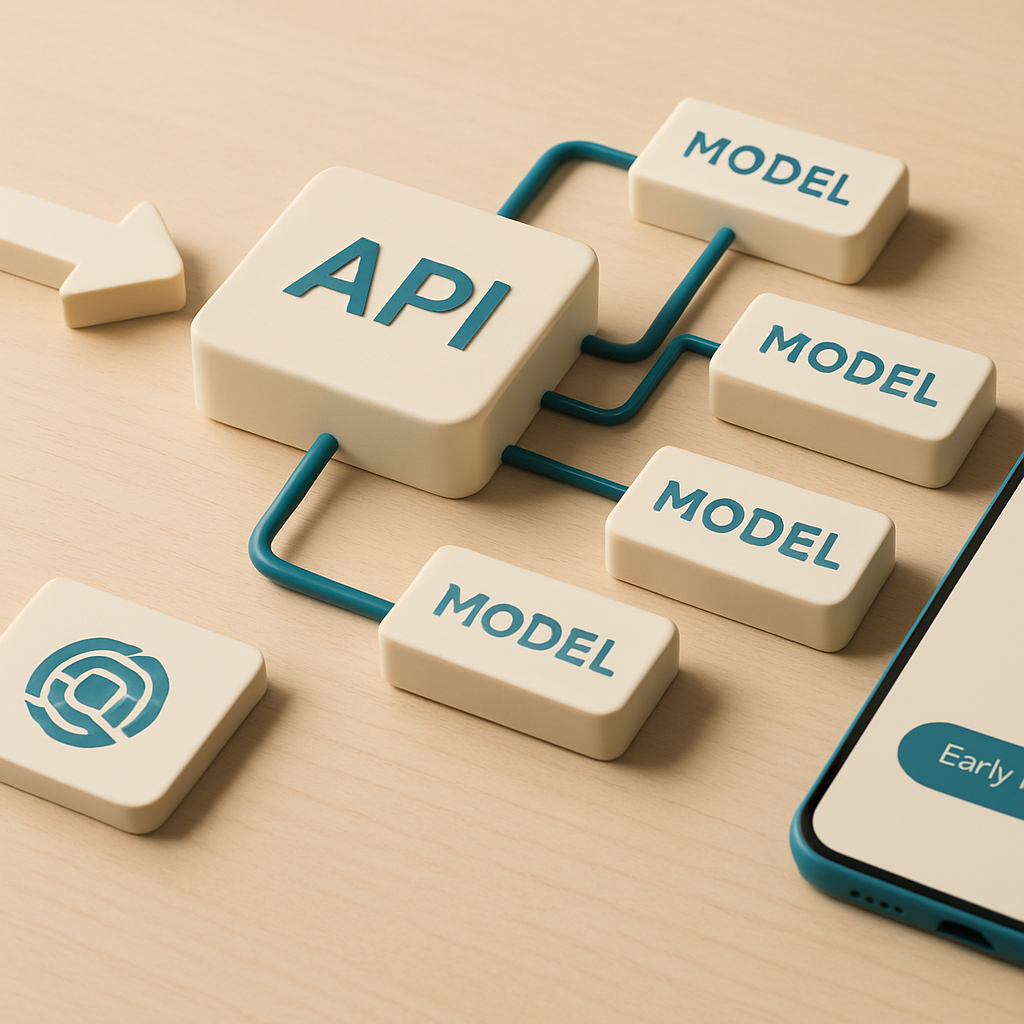
EU-Sovereign Multi-LLM API Gateway: What It Is and How It Works
What an EU-sovereign multi-LLM API gateway actually means: one OpenAI-compatible endpoint routed to EU-hosted models plus frontier models, with embeddings, RAG and batch built in — and what applying for Early Access looks like today.

Governed AI Operator vs. Fully Autonomous AI Agents: What's the Difference?
A governed AI operator runs your company through approval gates and an audit trail. A fully autonomous agent acts on its own. Here is the practical, EU-relevant difference.

Does LinkWorld Replace My Marketing, Sales, and Ad Tools — or Connect to Them?
Before adopting an AI company operator, most teams ask the same practical question: do we migrate our inbox, ad accounts, and CRM, or does it plug into what we already run? Here's exactly what connects, and what runs as its own workspace instead.

Does LinkWorld Work With Your Existing ERP or Accounting System?
You already run Business Central, Odoo, or Lexoffice — you don't want to migrate your books to adopt an AI operator. Here's exactly what LinkWorld connects to today, what it can read and write, and what still waits for your approval.

AI for Executing Automated Rollbacks Safely: What the Governance Layer Has to Look Like
Automated rollback only counts as safe if the system that triggers it is governed end to end. LinkWorld's self-healing production agent — detect, root-cause, patch, validate, rollback with rate-limiting — runs inside the same plan-debate-execute-review-assess loop and tenant action-policy gate as every other action.

The AI Agent That Manages Ad Spend and Reconciles Credits — Not Just Tracks Tokens
Why an AI agent that manages ad spend and reconciles credits needs more than a token counter: a governed multi-agent execution loop with budget-gated debate, contrasted against Paperclip's token-only budget tracking and Polsia's revenue-share model.

Build Custom Agent Tools with an API That Renders Natively on WhatsApp, Voice, Teams, and Web
Building a custom agent tool usually means writing the logic once and the UI four times — one per channel. Linkworld's Open SDK renders a tool's output through a channel-agnostic Response IR instead, so WhatsApp buttons, voice prompts, Teams cards, and web UI come from the same tool call.
Governed AI vs. Unsupervised Autonomous Agents: What 'Runs Your Company While You Sleep' Leaves Out
Why an AI operator with no approval gate isn't more autonomous, just less accountable — LinkWorld's budget-gated multi-agent debate loop, hallucination and delivery-confirmation guards, and tenant policy engine, contrasted against Polsia's documented reliability complaints.

Open SDK for Building AI Agents: Isolated Execution, One Policy Engine, a Marketplace to Sell Into
An open SDK for building AI agents on Linkworld: isolated per-goal git worktrees with multi-engine coding CLI adapters under every deploy, one tenant action-policy engine governing what your agent can do, and a marketplace to sell what you build.

OpenAI-Compatible API on EU-Sovereign Models: Usage-Based Pricing Explained
How Linkworld's Platform API works for SaaS teams: an OpenAI-compatible endpoint routed to EU-sovereign models, metered per tenant with usage-based pricing, plus Managed RAG — and what Early Access means today.

App bauen lassen oder Unternehmen auf Autopilot stellen? AI Company Operator vs. Agentur
Wer 'App bauen lassen' sucht, meint meist ein Problem, keine Softwarespezifikation. Wie sich eine klassische Agentur-Beauftragung von einem KI-Betriebssystem unterscheidet, das digitale Prozesse baut UND laufend betreibt — mit Freigabe vor jeder Außenwirkung.

KI-Automatisierung für deutsche SaaS-Unternehmen: Wenn die KI dein Unternehmen führt, während du schläfst
AI Automation für deutsche SaaS-Unternehmen: wie ein governed, EU-betriebener KI-Operator Aufgaben autonom plant, prüft und ausführt — mit Freigabe vor jeder Außenwirkung.

Souveräner KI-Chat für Unternehmen: EU-Datenverarbeitung ohne Vendor Lock-in
Souveräner KI-Chat für Unternehmen: EU-Datenverarbeitung, kein Training auf Kundendaten, keine Bindung an einen einzelnen Modell-Anbieter — jede Agenten-Aktion wartet auf deine Freigabe, 7 Tage kostenlos testen.

Was kostet Autopilot? Linkworld Basic/Pro/Business erklärt
Autopilot-Preise ohne Kleingedrucktes: Basic €29, Pro €149, Business €499 — was in jeder Stufe enthalten ist, wie die 7-tägige kostenlose Testphase funktioniert, und was beim Abschluss genau passiert.

EU Sovereign AI Chat for Business: No Training on Your Data, Every Action Approved
A governed AI chat for European businesses: EU data processing, no training on customer data, and agent actions that wait for your approval before they act — same subscription as Autopilot, 7-day free trial.
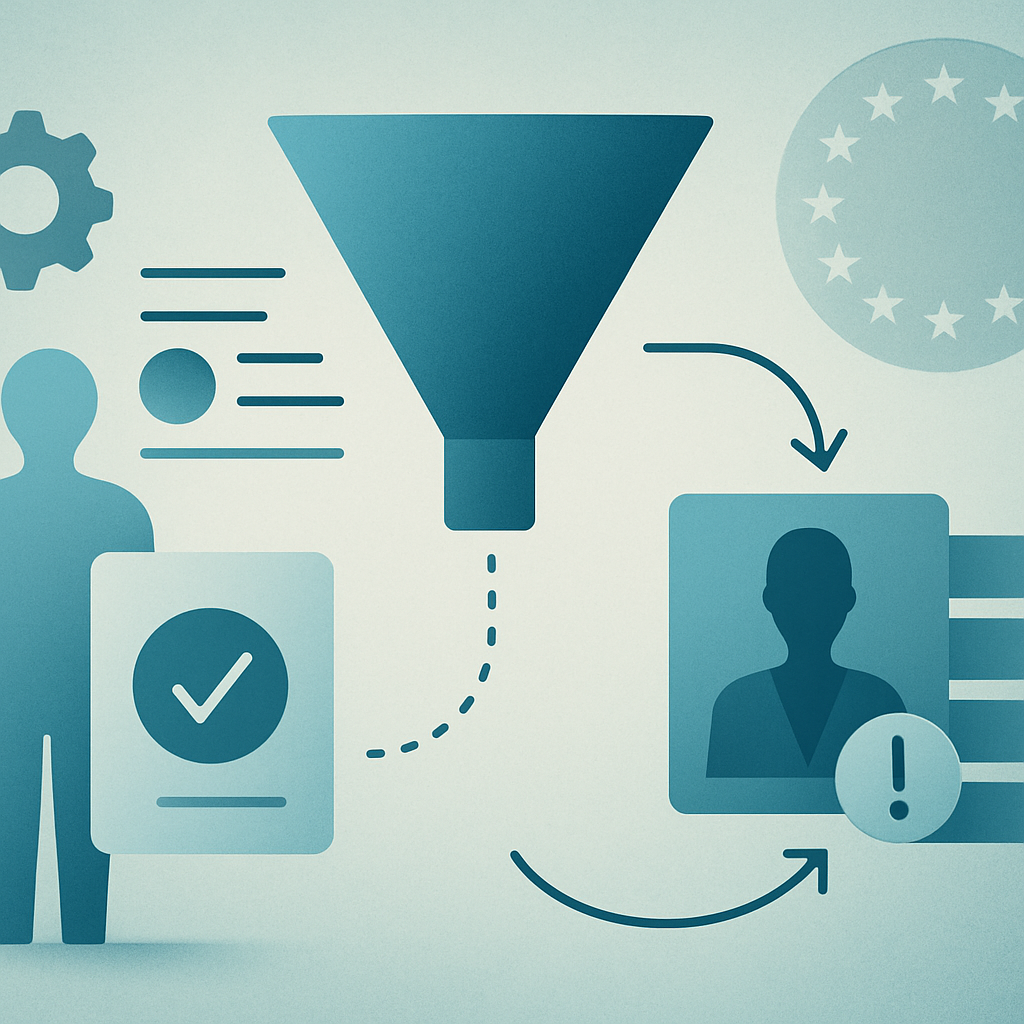
How an AI Operator Platform Decides What Needs Your Approval: Inside the Tenant Policy Engine
How LinkWorld's tenant action-policy engine decides which AI agent actions run automatically and which wait for a named approver — priority-matched rules, conditional filters, and autonomy-based relaxation, running inside a PLAN-DEBATE-EXECUTE-REVIEW loop with EU data governance and no vendor lock-in.

Automated Company Setup With Human Approval Gates: Launching a Business Without Losing Control
How to launch a company with AI while keeping legal and governance control: LinkWorld's PLAN-DEBATE-EXECUTE-REVIEW loop and end-to-end onboarding pipeline run research, branding, legal setup, funnel, and deployment behind human approval gates and a full audit trail — not an unsupervised launch flow.

How EU Teams Reconcile Ad Spend Across Meta, Google, and LinkedIn Without Billing Surprises
Ad spend reconciliation across ad platforms, done for EU marketing ops teams: a prepaid ad credit ledger funded via Mollie Connect, with automatic wallet depletion and campaign-pausing so a platform invoice is never the first place a budget overrun shows up.

The Marketing Ops Checklist for Prepaid Ad Credit Reconciliation Across Meta, Google, and LinkedIn
A working checklist for marketing ops teams reconciling prepaid ad credit across Meta, Google, and LinkedIn — what to check, in what order, and why a ledger with reconciliation sweepers replaces the process instead of just documenting it.

Writing Vendor Lock-In Protection Into an AI Automation RFP: The Requirements to Actually Include
Concrete RFP and contract requirements that force an AI automation vendor to prove multi-LLM portability, governed autonomy, and audit-ready approval gates — instead of taking a lock-in claim on faith.

Automated Company Launch Pipeline vs. Hiring a Launch Team: What Actually Changes
A founder or agency comparing an automated company launch pipeline against hiring a launch team or freelancers should know what the pipeline replaces, what it doesn't, and where governance and traceability change the comparison.

Who Approves Ad Spend Before an Autonomous Agent Commits It? The Execution Gate for Meta, Google, and LinkedIn Campaigns
Why 'we reconcile spend afterward' isn't the same as 'someone approved it before it happened' — how a centralized execution security gate holds ad-spend actions for approval before an autonomous agent commits budget on Meta, Google, or LinkedIn.

AI Agent Autonomy Levels: What Should Run Automatically, and What Should Wait for a Human
Handing an AI agent full autonomy or requiring a human click on everything are both the wrong default. How autonomy-level configuration, tenant policy, and timed approval routing let EU teams decide per action category what runs on its own and what waits for a named approver.

Expanding Into a New EU Country: What an Automated Company Launch Pipeline Sets Up Before You Call Local Counsel
What founders and agencies actually need done before entering a new EU market — jurisdiction-aware legal-entity setup, localized brand and site, and a live conversion path — chained into one auditable pipeline run instead of a separate vendor per country.

Multi-Agent Debate Before Execution: What to Check Before You Trust an AI Agent's Plan
Why a single AI agent's confident plan isn't reason enough to let it run against production, and what a structured multi-agent debate step needs to include before execution starts — inside LinkWorld's PLAN-DEBATE-EXECUTE-REVIEW-ASSESS engine.

AI Agent Completion Verification: Proving 'Task Done' Against the Real System, Not the Agent's Own Report
Why an AI agent's own 'task complete' message isn't evidence, and what a platform needs to verify a claimed action against actual system state — the review and assess steps a governed automation engine can't skip.

AI Agent Platform vs. RPA: What Actually Changes When You Modernize
A practical comparison for automation and ops leaders replacing brittle RPA scripts with a governed AI agent platform: what RPA still gets right, what breaks at scale, and where approval gates and audit trails need to carry over.

How Much Does an Automated Company Launch Cost? Milestone Pricing Explained
What founders and agencies should expect to pay for an automated company launch pipeline — why it's priced per launch or per milestone rather than as a subscription, and what that fee actually covers end to end.

EU-Governed AI Automation Platform With Approval Workflows: A Compliance Team's Checklist
What compliance and procurement teams should check before approving an EU-governed AI automation platform: risk classification, tenant policy enforcement, blocking approval gates, and an audit trail that survives a real review.

Stand Up a New Brand End-to-End With Governance Built In
How to launch a new brand from research to a live, revenue-generating site without trading away governance — the autonomous PLAN→DEBATE→EXECUTE→REVIEW→ASSESS engine behind LinkWorld's company launch pipeline.

Per-Company Ad Spend Wallets with Auto-Pause: Reconciliation for Agencies Running Meta, Google, and LinkedIn
Ad spend reconciliation into per-company wallets with auto-pause — how agencies running paid campaigns across Meta, Google, and LinkedIn for multiple clients keep each client's spend isolated, ledgered, and stopped automatically before it overruns.

AI Agent Orchestration Platform with Audit Trail: What EU Engineering Teams Should Evaluate
Evaluating an AI agent orchestration platform for engineering, security, and ops work: the plan-debate-execute-review-assess loop, a tenant policy engine with approval workflows, and an audit trail that reconstructs what multi-agent systems actually did.

AI Agent Platform Pricing: What You're Actually Paying For Beyond Seats
How to evaluate AI agent platform pricing beyond a per-seat number: why seats, agents, and workflow volume plus usage-based compute matter, and why the governance layer that makes autonomy safe is part of what you're buying, not a paid add-on.

An AI Company Launch Pipeline Built for Agencies Running Multiple Client Launches
Why agencies running several client launches at once need an automated company launch pipeline with per-client audit trails and phase-skipping, not a single-launch tool stretched across many clients.

EU-Governed Multi-LLM Automation with Approval Gates: What Mid-Market Ops Teams Need to Know
A buyer's guide for mid-market ops teams evaluating EU-governed multi-LLM automation: the plan-debate-execute-review-assess engine, blocking approval gates, full audit trails, and why vendor lock-in should be a disqualifying question.

How to Launch a New Business Unit with Governed AI Automation
A step-by-step look at launching a new business unit or product line with an automated, governed pipeline — research, branding, legal-entity setup, funnel, site, and creative — instead of coordinating each step by hand.

Multi-LLM AI Operator Without Vendor Lock-In: What to Check Before You Commit
A buyer-side checklist for evaluating a multi-LLM AI operator without vendor lock-in: how the plan-debate-execute-review-assess engine, governed approval workflows, and engine-agnostic execution keep a single model or coding-agent vendor from owning your automation.

Prepaid Ad Credit Ledger for Meta, Google, and LinkedIn: How Funding and Billing-Health Canaries Work Together
How a prepaid ad credit ledger across Meta, Google, and LinkedIn is funded and monitored — and why billing-health canaries catch a platform going wrong before reconciliation ever needs to run.

Self-Healing AI Agents with Safe Rollback: The Production Safety Net Most Automation Platforms Skip
What a self-healing AI agent platform with safe rollback actually requires: the plan-debate-execute-review-assess engine, a central security gate with a tenant policy engine, and validated rollback — not just an agent that retries until something works.

Reconciling Ad Spend Across Meta, Google, and LinkedIn When Campaigns Run Autonomously
Why ad spend reconciliation across Meta, Google, and LinkedIn breaks down once autonomous agents are placing the budget — and what a prepaid credit ledger with reconciliation sweepers and billing-health canaries actually catches.

AI Agent Approval Workflows: Human Oversight Built In, Not Bolted On
What a real AI agent approval workflow needs to satisfy EU AI Act Article 14 human oversight: risk classification, tenant policy, a blocking approval gate, and a full audit trail — architecture, not an add-on.

Automated Company Launch Pipeline: Branding, Legal Setup, and a Live Site in One Run
What an automated company launch pipeline actually does: research, brand identity, legal-entity detection, funnel setup, site deployment, and creative generation chained into one governed, resilient workflow for founders and agencies.

EU-Hosted Governed AI for Enterprise Automation
What EU-hosted governed AI for enterprise automation actually means: multi-LLM orchestration, approval gates with audit trails, and a self-healing agent that keeps automations running without manual firefighting.

ChatGPT / Microsoft Copilot vs. Linkworld: Why European Enterprises Choose EU-Native AI
Side-by-side: data residency, GDPR/DSGVO compliance, vendor lock-in, and multi-LLM flexibility. Three enterprise use cases show why compliance-driven buyers choose Linkworld over US AI platforms.